
ONEMUAY THAI
N4 MUAY THAI · EIGHT LIMBS
THE ART OFEIGHT LIMBS.
Real fighters. Real ONE Championship feed data. Elbows, knees, kicks, clinch work — and a dedicated N4 home for the sport.
LIVE SOURCE ONE Championship public syndication feedDATA Real ONE fighter recordsREFRESH Feed cache 30–60 min
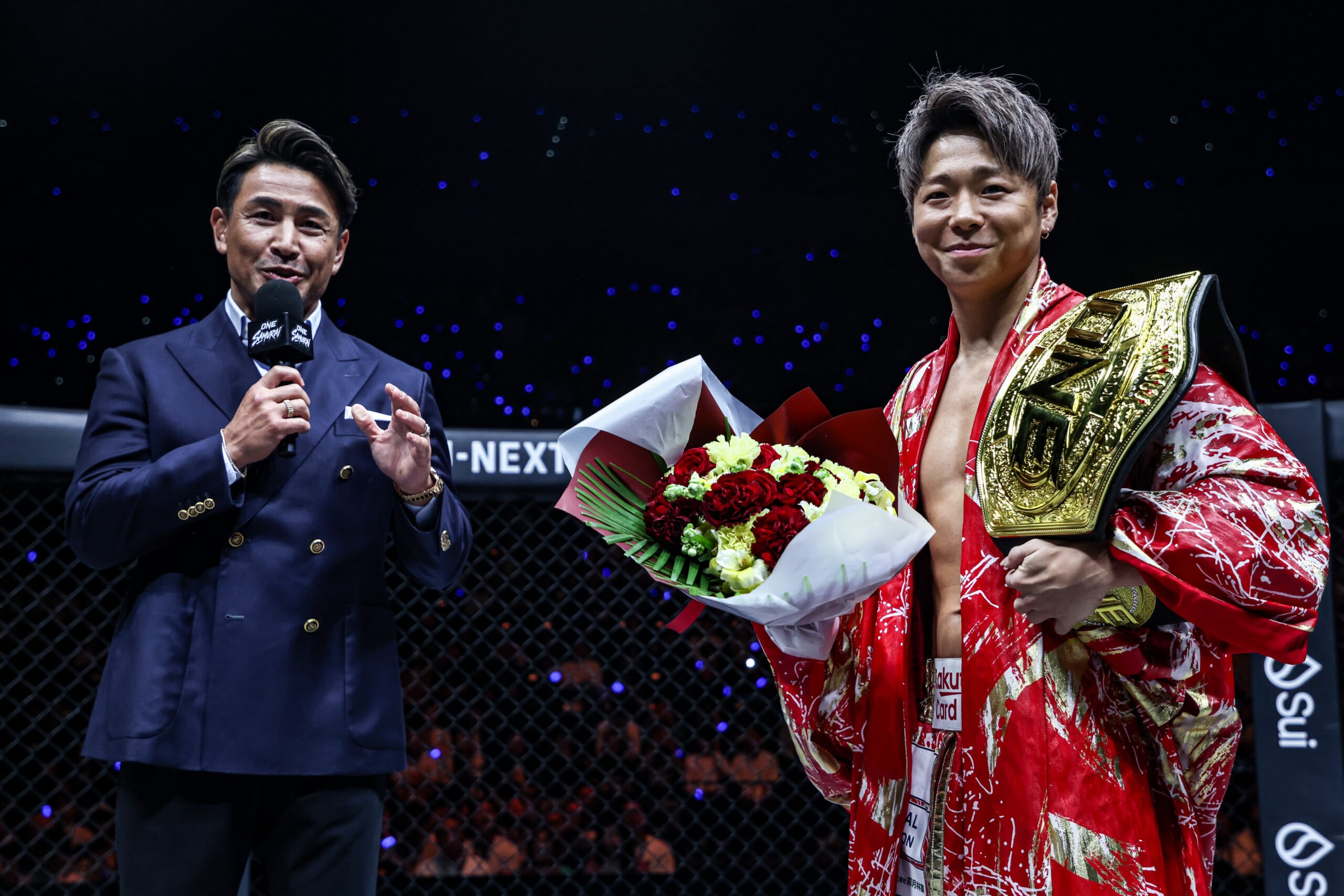
The Best Pictures From ONE SAMURAI 4
Two World Title defenses and an emotional farewell to a Japanese legend headlined a spectacular night.
READ AT ONE CHAMPIONSHIP ↗REAL FIGHTERS · OFFICIAL ONE RECORDS
Faces of eight limbs.
Portraits and ONE records refresh from official athlete pages when available, with verified fallback data so cards never collapse into empty shells.
OPEN FIGHTER DATABASE › 01ONE ATHLETE
Thailand · Flyweight
Rodtang Jitmuangnon
The Iron ManONE RECORD17-3FINISH RATE24%
Body work · Low kicks · Pocket pressure
OPEN N4 PROFILE ›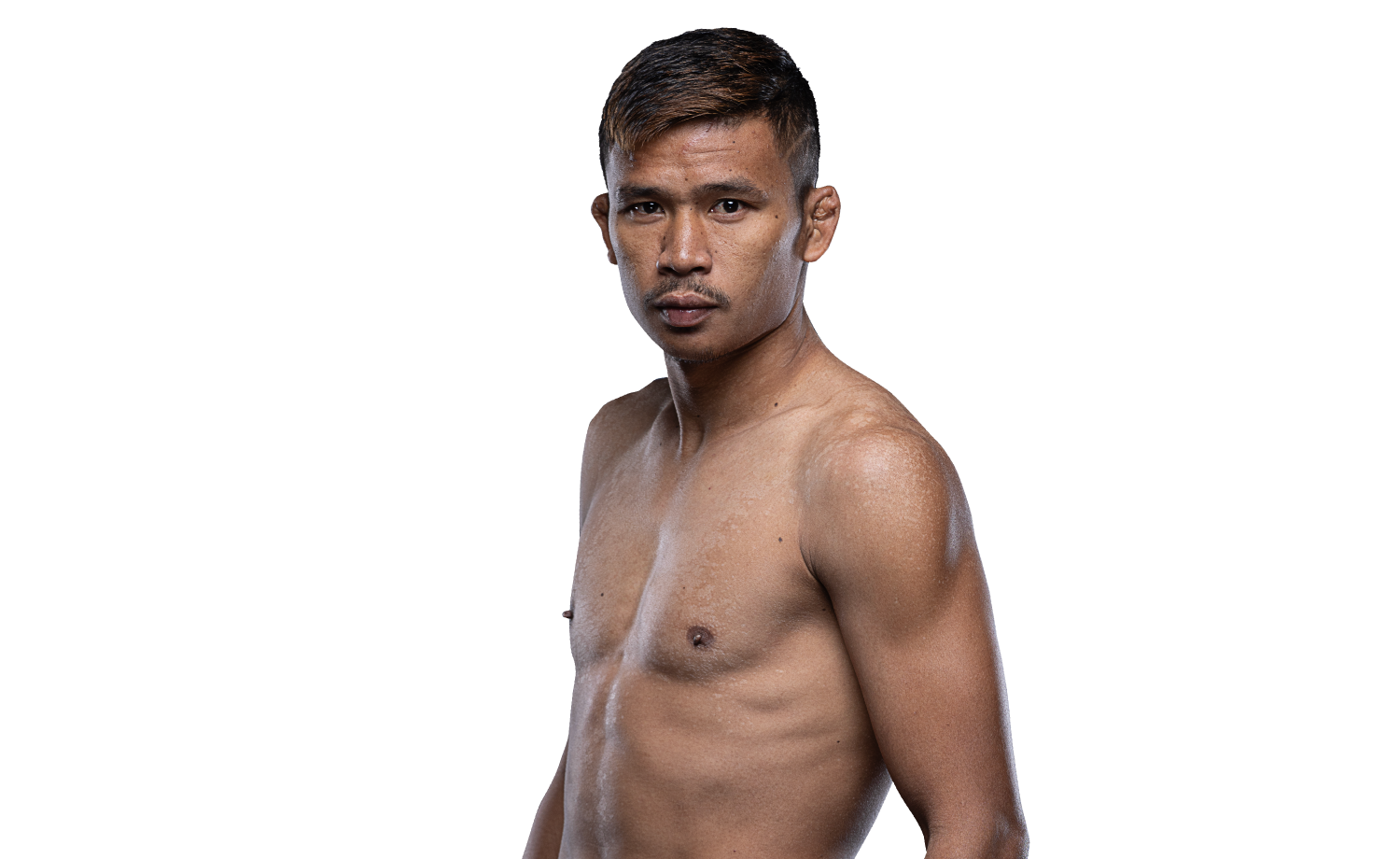 02ONE ATHLETE
Thailand · Flyweight / Bantamweight
Superlek Kiatmoo9
The Kicking MachineONE RECORD15-5FINISH RATE33%
Right kick · Elbows · Timing
OPEN N4 PROFILE › 03ONE ATHLETE
United Kingdom · Bantamweight
Jonathan Haggerty
The GeneralONE RECORD11-3FINISH RATE36%
Teep · Elbows · Range traps
OPEN N4 PROFILE ›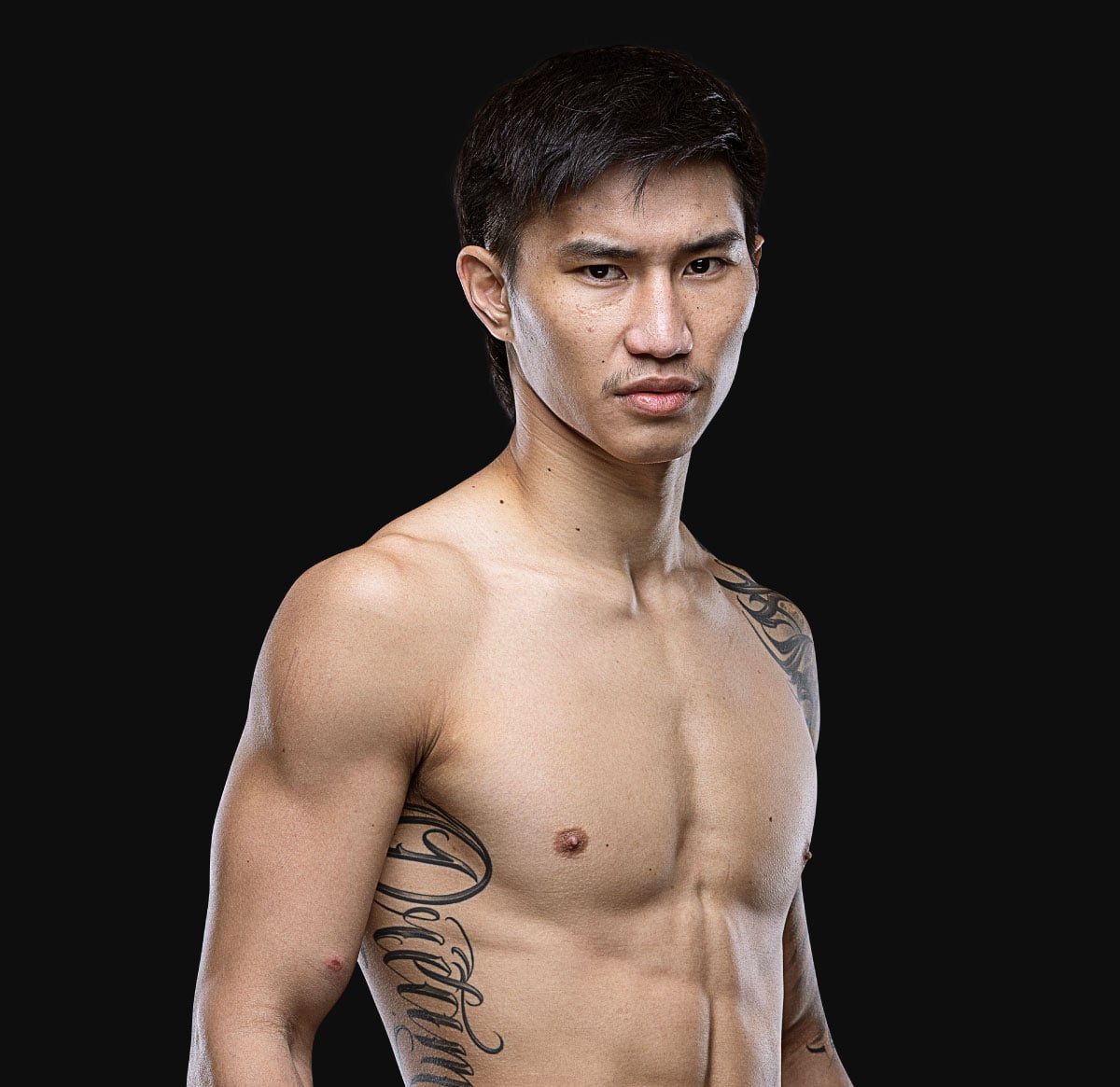 04ONE ATHLETE
Thailand · Featherweight
Tawanchai PK Saenchai
Southpaw technicianONE RECORD10-3FINISH RATE60%
Left kick · Counters · Precision
OPEN N4 PROFILE › 05ONE ATHLETE
Algeria / Thailand · Bantamweight
Nabil Anane
Long-range pressureONE RECORD9-3FINISH RATE33%
Long knees · Reach · Straight shots
OPEN N4 PROFILE › 06ONE ATHLETE
Scotland · Featherweight
Nico Carrillo
King of the NorthONE RECORD8-1FINISH RATE88%
Power · Pressure · Combinations
OPEN N4 PROFILE › 07ONE ATHLETE
Thailand · Flyweight / Bantamweight
Nong-O Hama
Veteran technicianONE RECORD13-5FINISH RATE38%
Body kick · Counters · Ring craft
OPEN N4 PROFILE › 08ONE ATHLETE
Thailand · Muay Thai
Seksan Or Kwanmuang
The Man Who Yields To No OneONE RECORD10-6FINISH RATE30%
Forward pressure · Elbows · Dirty boxing
OPEN N4 PROFILE ›WHY MUAY THAI HITS DIFFERENT
Two fists. Two elbows. Two knees. Two shins.
Muay Thai is built around eight striking surfaces plus clinch control. N4 turns that identity into the visual language of the whole page — sharper, closer and more violent-looking without fake fight tracking.
Prefer the cage? Open N4 MMA ›01LEFT FISTBoxing entries + frames
02RIGHT FISTPower + combinations
03LEFT ELBOWCutting range
04RIGHT ELBOWClinch damage
05LEFT KNEEBody + head attacks
06RIGHT KNEEClinch control
07LEFT SHINBody + leg kicks
08RIGHT SHINFight-ending power
OFFICIAL ONE FEED
ONE MUAY THAI ↗Latest from the fight world.
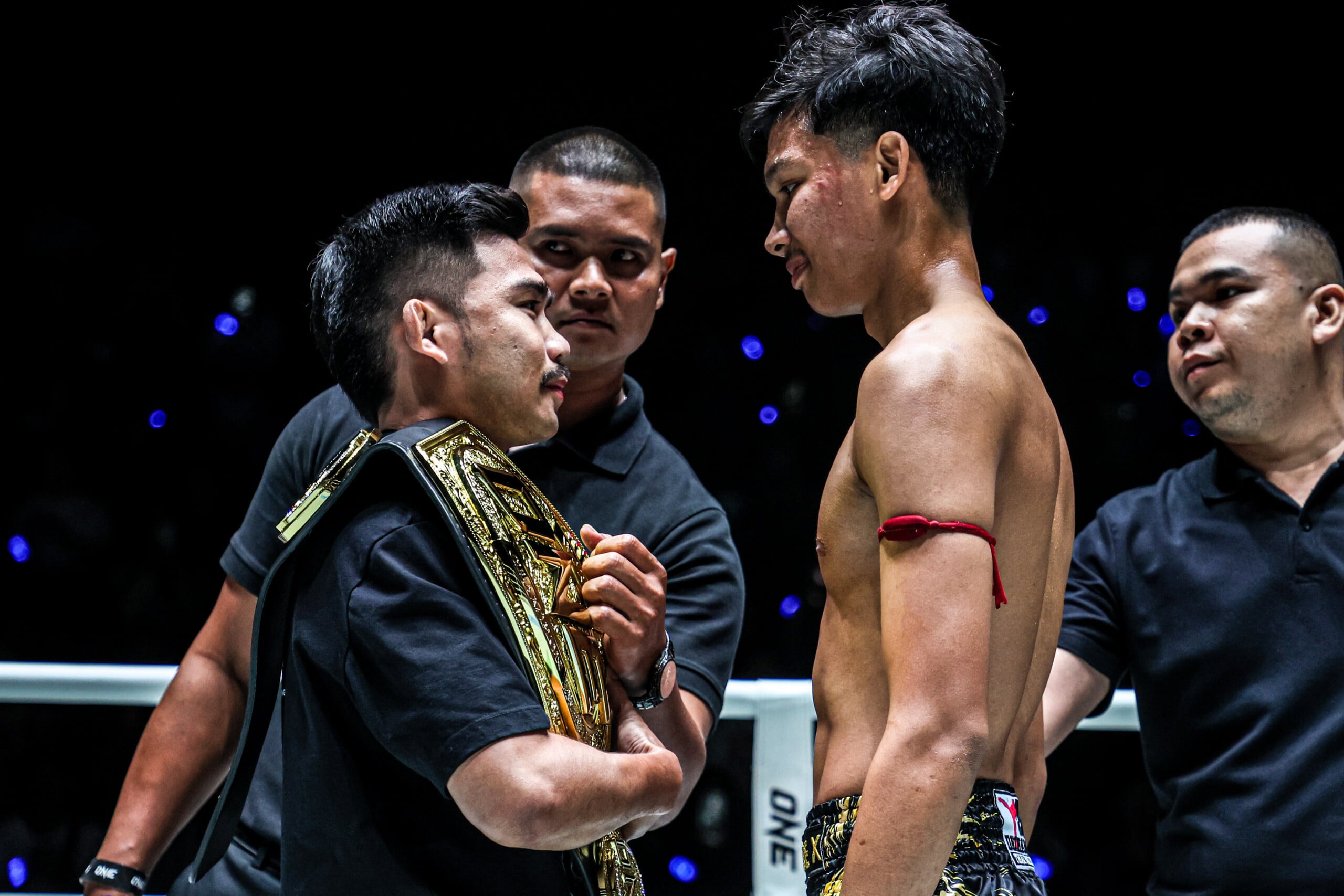 18 Oct 2026Prajanchai Vs. Aliff Strawweight Muay Thai World Title Unification Bout Confirmed For The Inner Circle 43
Fans will find out who the true undisputed Muay Thai king of the strawweight division is on December 18!
SOURCE: ONE CHAMPIONSHIP ↗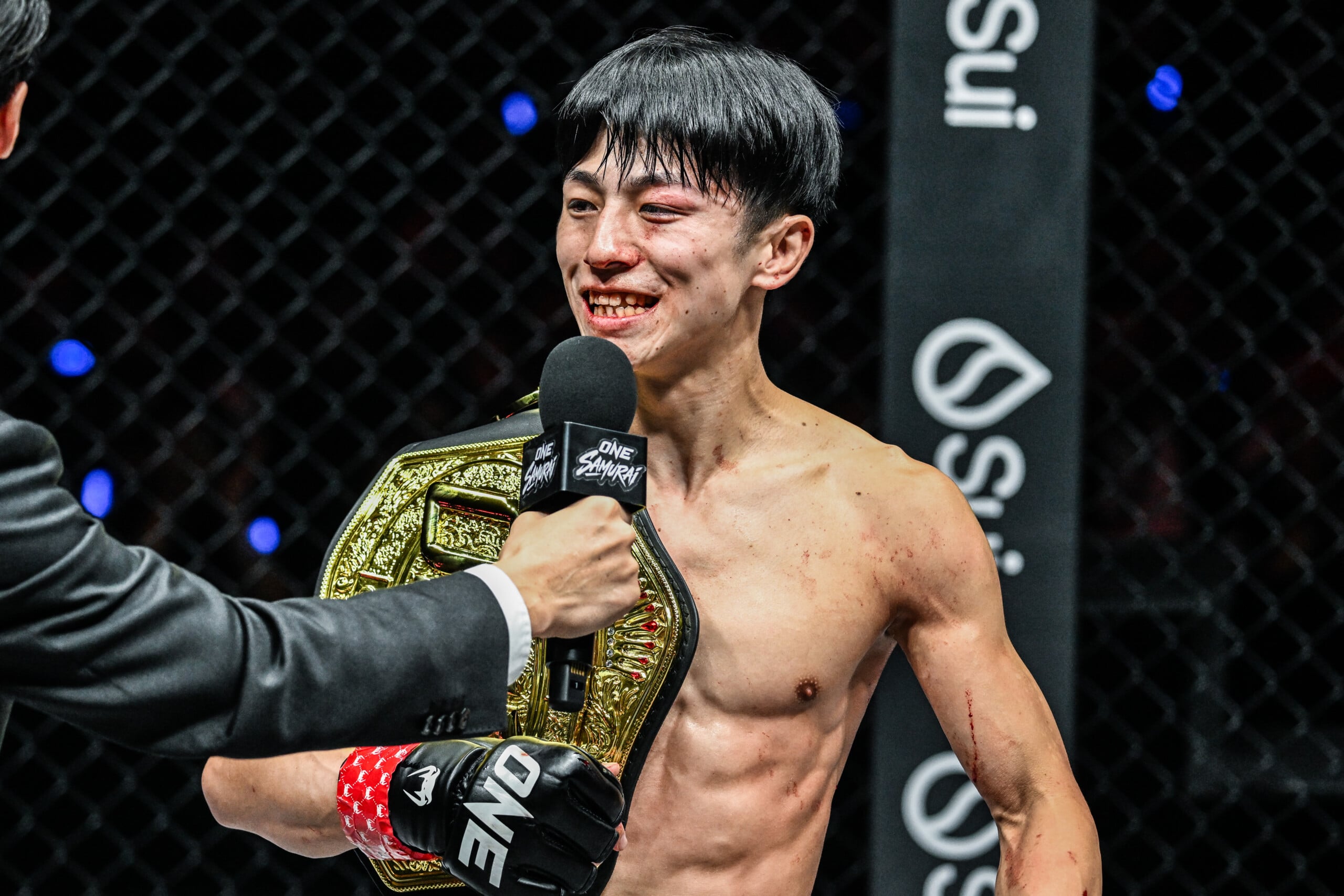 17 Oct 2026ONE SAMURAI 4 Co-Main Event Result: Nadaka Electrifies Tokyo, Retains Atomweight Gold With Head Kick TKO Of Rifdean
The Japanese icon improved his unstoppable run to 43 fights in Ariake Arena on October 17.
SOURCE: ONE CHAMPIONSHIP ↗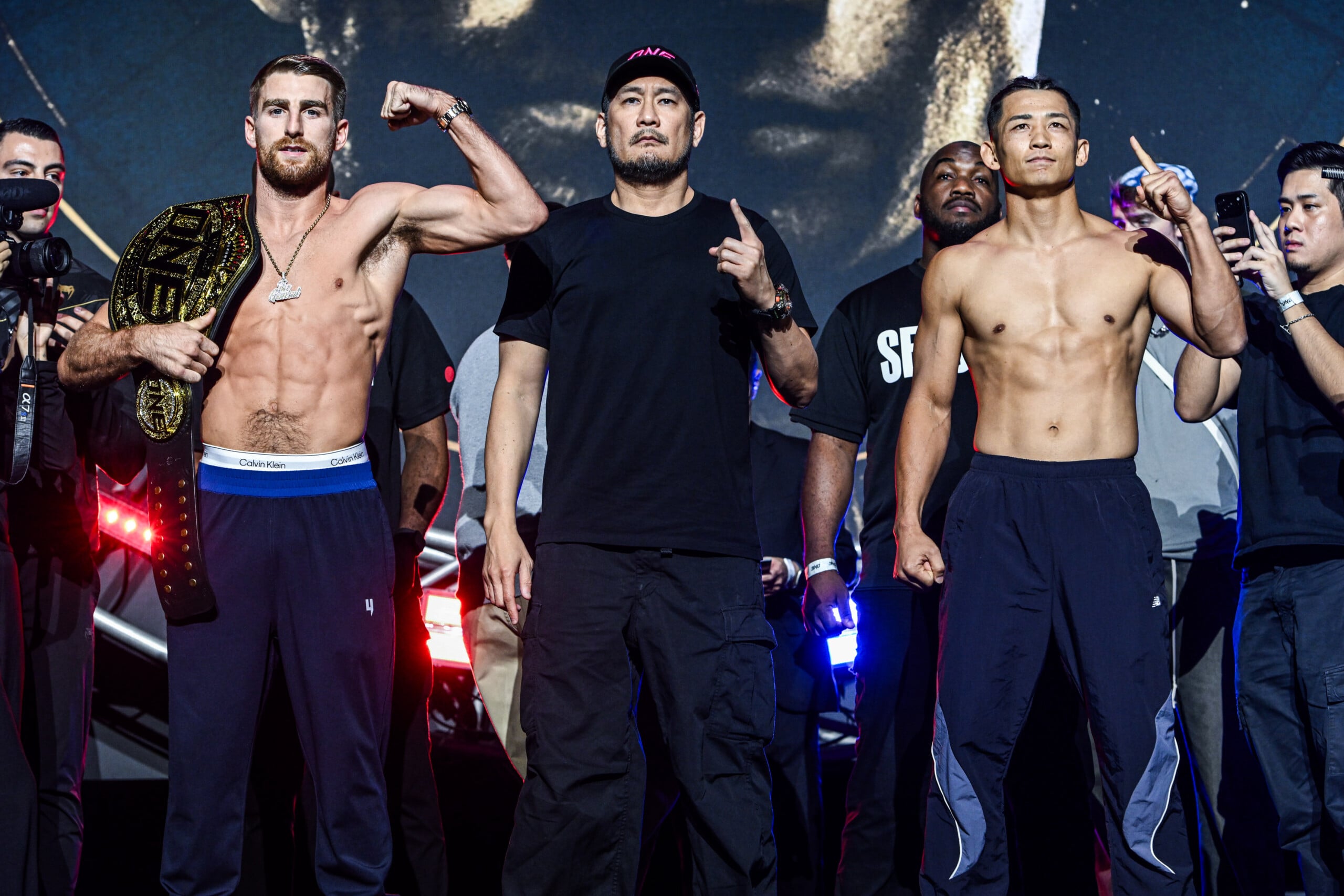 17 Oct 2026ONE SAMURAI 4 – Results And Video Highlights For Every Fight
We’re reporting to you live from the Ariake Arena in Tokyo, Japan! Join us!
SOURCE: ONE CHAMPIONSHIP ↗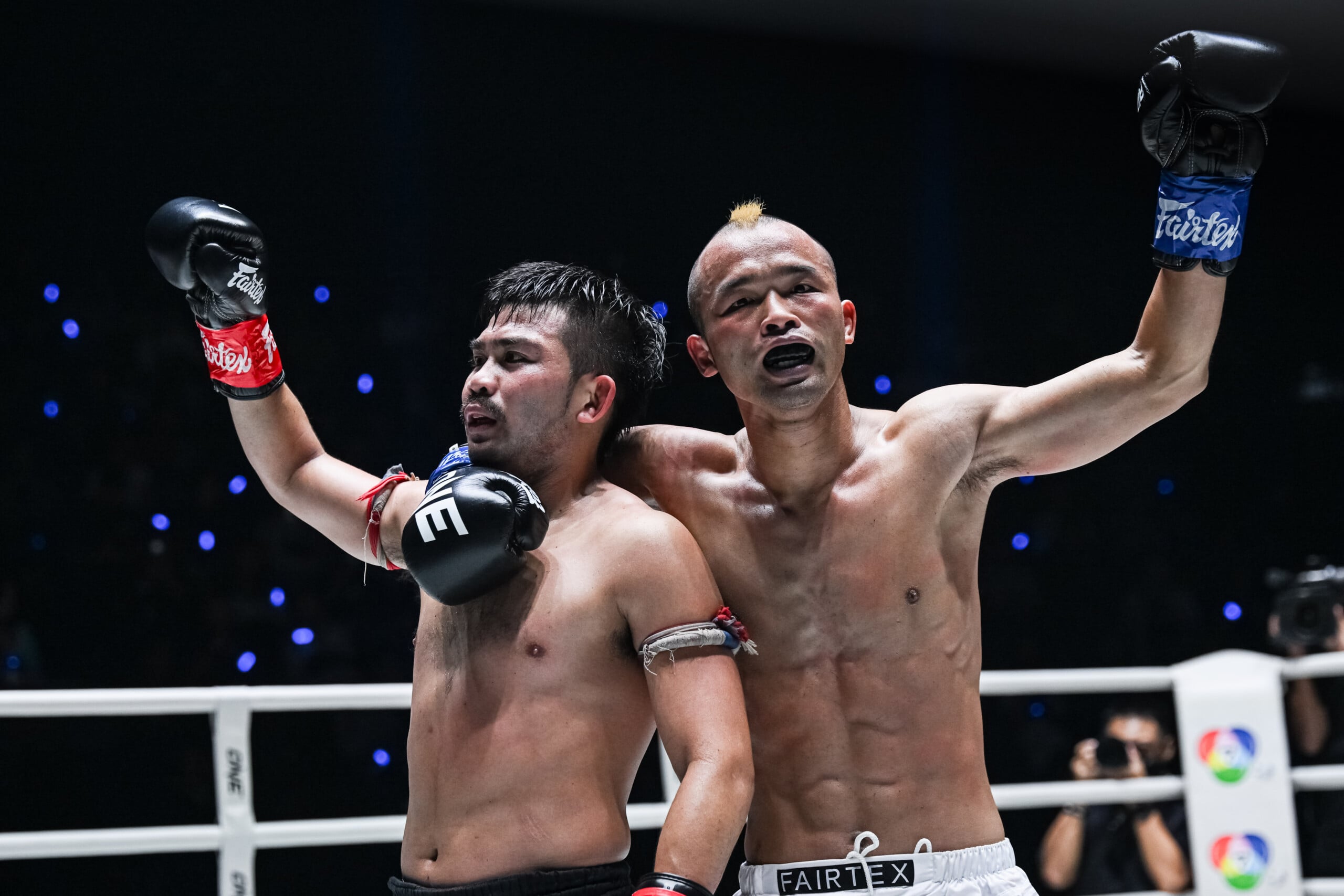 17 Oct 2026The Best Pictures From The Inner Circle 35
Relive the biggest moments from The Inner Circle 35, including Wang Junguang's shocking victory over Prajanchai.
SOURCE: ONE CHAMPIONSHIP ↗TRAIN · SUPPORT · FIGHT NIGHT
Muay Thai gear that belongs here.
Training equipment sits beside the sport instead of random ads. Commercial routes are clearly labelled and kept separate from editorial data.
PAID LINK · N4 PICKFAIRTEX
Fairtex MMA Sparring Gloves
Blue Fairtex sparring gloves for Muay Thai / MMA training. Retailer price and availability can change.
SHOP FAIRTEX GLOVES ↗OFFICIAL SHOP · AFFILIATE LINK READYONEOfficial ONE Championship Gear
Set NEXT_PUBLIC_ONE_SHOP_AFFILIATE_URL to switch this card to your direct ONE.SHOP affiliate route.
OPEN ONE.SHOP ↗N4 GEARN4More combat training gear
Wraps, shin guards, gloves and fight-training kit from the wider N4 Gear catalogue.
OPEN N4 GEAR ›About Muay Thai on N4
N4 Sports is a sports data and information site, not a promoter or a broadcaster. The Muay Thai section brings together ONE Championship news and schedule data, official-source video and a database of fighter profiles with ONE records. This guide explains the art of eight limbs in plain English, from how a bout is run to how to read a record, so what you see on N4 makes sense.
What Muay Thai is
Muay Thai is the national combat sport of Thailand, and it is often called the art of eight limbs because it uses eight striking surfaces: two fists, two elbows, two knees and two shins. Boxing uses only the fists, and kickboxing usually adds kicks, but Muay Thai also allows elbows, knees and a long list of close-range tools. Its roots lie in older Thai fighting arts used in warfare, which were gradually turned into a regulated sport.
The clinch is a defining feature. Fighters can grip each other around the neck and arms, control the opponent's posture, and throw knees and elbows or unbalance them with a sweep or throw from that position. A good clinch fighter can score, tire the opponent and break their rhythm without throwing many punches. Because of the knees and elbows, a Muay Thai fight is often decided by distance, balance and timing rather than by who throws the most punches.
How a Muay Thai bout works
The traditional format, used in Thai stadium bouts, is five rounds of three minutes with a rest of about two minutes between them. Bouts can end by knockout, by a stoppage by the referee or ringside doctor, or by a corner retiring its fighter, and if all five rounds are completed the judges decide the winner. Rules vary by promotion: some events, ONE Championship among them, use their own formats and rule sets, and amateur competition under bodies such as the IFMA often uses shorter bouts with more protective equipment.
Scoring is based on clean, effective technique rather than on the sheer number of strikes. Judges commonly use a ten-point must system, giving the round winner 10 and the other fighter 9 or fewer. They reward strikes that land cleanly and with power, balance and control of the ring, a fighter who stays composed and keeps moving forward without being hurt, and good defence. Clean kicks, knees and elbows are generally valued more highly than punches. A teep (push kick) that disrupts the opponent counts for more than one that just touches them. The details differ between stadium, promotion and amateur rule sets, so the rules of the event decide.
The Wai Kru, Ram Muay and the fighter's kit
Before a traditional bout the fighter performs the wai kru, a ritual of respect to teachers, family and the sport itself, followed by the ram muay, a dance-like sequence with its own style of movement. Fighters often have their own ram muay, which can reflect their gym or their region. The ritual is usually accompanied by live Thai music, which carries on through the rounds and tends to rise in pace as the action picks up.
The mongkol is a headband traditionally worn into the ring, often blessed, and removed by the trainer before the fight begins. The pra jiad (armbands) are traditionally worn on the upper arms and are often kept on during the bout. Fighters wear boxing-style gloves, a mouthguard, a groin protector and Thai-style shorts, which are cut short and loose to allow high kicks and knees. Professional bouts in Thailand do not use shin pads, headguards or other protection.
How fighters are named and ranked
A Muay Thai fighter is called a nak muay. In Thailand a fighter commonly competes under a ring name made of their given name and the name of their gym, so the second part of a name often tells you where they train. Many fighters also carry a nickname that is used by fans and promoters. A trainer is called kru, and the gym is a central part of the fighter's identity.
There is no single governing body, so there is no single ranking. Historic Bangkok stadiums such as Lumpinee and Rajadamnern have long awarded their own titles and keep their own ranks, and modern promotions run their own divisions and belts. Weight classes and their limits differ between organisations. A title from one promotion is not the same as a title from another, so check which organisation a headline refers to.
Reading a record and how N4's data works
A record such as 17-3 means 17 wins and 3 losses. On N4, a fighter's record is their ONE Championship record, which means the fights they have had in that promotion, not their whole career. Many top nak muay have had far more fights, often dozens or hundreds, in Thai stadiums and other promotions, so a short ONE record can hide a long career. The finishes figure counts wins that ended by knockout or stoppage, and the finish rate is those finishes as a percentage of wins.
News, event updates and video on the hub come from ONE Championship's public RSS and MRSS syndication feeds, which N4 caches and credits, and each story links to ONE's own site. The next-event card uses ONE's league data from TheSportsDB as a fallback and says to verify details with ONE. Fighter figures link back to official ONE athlete profiles, and N4 tries to refresh them from those pages. If ONE cannot be reached, N4 shows the last values it verified and the profile marks that data status.
Techniques at a glance
The main families of attack in Muay Thai, what they are used for and what to look for when you watch.
| Weapon | What it is | What to look for |
|---|---|---|
| Punch | Straight punches, hooks, uppercuts and overhands thrown with the fists, mostly to set up kicks, knees and elbows. | Clean entries, a tight guard, and punches that open the way for stronger weapons. |
| Kick | The round kick with the shin to the legs, body or head, and the teep, a straight push kick with the foot. | Balance after the kick, the opponent's checks, and kicks that visibly hurt or unbalance. |
| Elbow | Short strikes with the point of the elbow, thrown horizontally, diagonally, upward or downward at close range. | Cuts and swelling, and elbows used in the clinch or as a counter. |
| Knee | Strikes with the knee to the body or head, thrown straight or curved, often from the clinch. | Knees that land to the body, and the grip that sets them up. |
| Clinch | Close-range grips, usually around the neck and arms, used to control, strike, sweep or throw. | Who controls posture and balance, and who breaks the clinch cleanly. |
Elbows and some clinch techniques are limited or banned in some amateur rule sets.
Muay Thai glossary
Short definitions of the terms you will see in fight reports, profiles and ONE coverage.
| Term | Meaning |
|---|---|
| Nak muay | A Muay Thai fighter. |
| Kru | A teacher or trainer in Muay Thai. |
| Wai kru | The pre-fight ritual that shows respect to teachers, family and the sport. |
| Ram muay | The dance-like sequence a fighter performs after the wai kru, often in a personal style. |
| Mongkol | The traditional headband worn into the ring and removed before the fight starts. |
| Pra jiad | Armbands traditionally worn on the upper arms during a fight. |
| Teep | A push kick thrown with the foot, used to keep distance or disrupt the opponent. |
| Round kick | The signature kick, thrown with the shin and rotating hips, to the legs, body or head. |
| Elbow | A short strike with the point of the elbow, a common cause of cuts and stoppages. |
| Knee | A strike with the knee, most often thrown from the clinch. |
| Clinch | Close-range grappling with grips around the neck and arms, used for control, knees and throws. |
| Sweep | A leg technique that unbalances the opponent and puts them on the canvas, which is legal in Muay Thai. |
| Check | Raising the shin to block an incoming kick. |
| Muay femur | A technical fighter who wins with timing, distance, balance and defence. |
| Muay khao | A knee fighter who wins in the clinch. |
| Finish rate | The percentage of a fighter's wins that ended by knockout or stoppage. |
Where to find things on N4
- Muay Thai hubThe home of N4 Muay Thai: the eight limbs, fighter spotlights, the latest ONE Muay Thai stories, the next-event card and data sources.
- Fighter databaseSearch N4's fighter profiles by name or nickname and filter by division, with ONE record, finish rate, finishes, style and the weapons each fighter is known for.
- Fighter profilesOpen any fighter from the database for their ONE record, finish rate, style notes and a link to verify the figures on the official ONE athlete page.
- Fighter spotlightsA selection of fighter cards on the hub, showing ONE records and finish rates, with portraits when ONE supplies them.
- ONE schedule indexThe next ONE event from TheSportsDB data, with a link to ONE's own event schedule so you can confirm details.
- ONE Muay Thai wireLatest Muay Thai stories from ONE Championship's public feed, each linking to the original article.
- Training gearMuay Thai training equipment. Commercial links in this section are affiliate links and are labelled as paid links.
Muay Thai questions answered
Why is Muay Thai called the art of eight limbs?
Because it uses eight striking points: two fists, two elbows, two knees and two shins. Boxing uses only the fists, and most kickboxing leaves out elbows and knees. Having all eight, plus the clinch, gives a fighter many ways to attack at every range.
How long is a Muay Thai fight?
A traditional bout, such as those in Thai stadiums, is five rounds of three minutes with about two minutes of rest between rounds. Other promotions and amateur events may use different formats, often with fewer or shorter rounds, so the scheduled length depends on the event.
How is a Muay Thai fight scored?
Judges look for clean, effective technique: strikes that land with power, balance, ring control and good defence. They commonly score each round with the ten-point must system, and kicks, knees and elbows are generally valued above punches. The details vary by stadium, promotion and amateur rule set.
What is the Wai Kru and Ram Muay?
The wai kru is a ritual of respect to teachers, family and the sport that traditionally comes before a bout. It is followed by the ram muay, a dance-like sequence that often reflects the fighter's gym or style. You may see shortened versions at some promotions.
What are the headband and armbands fighters wear?
The headband is called a mongkol, and it is traditionally worn to the ring and removed before the fight starts. The armbands are called pra jiad and are traditionally worn on the upper arms. Both have ritual meaning in Thai culture.
Is Muay Thai the same as kickboxing?
No. They are related, but Muay Thai allows elbows, knees and clinching and has its own rituals and scoring culture, while kickboxing rule sets usually limit or ban elbows, knees and clinch work. Rules differ widely between organisations, so check the rules of the event.
Why is the ONE record on N4 shorter than a fighter's whole career?
The record on N4 counts only the fights the fighter has had under ONE Championship. Many fighters also had fights in Thai stadiums and other promotions, and those are not included. The fighter profile links to the official ONE page so you can verify the figures.
Does N4 stream Muay Thai fights?
No. N4 is a data and information site, not a broadcaster. The hub shows ONE Championship feed content and links to ONE's own pages for stories, video and the event schedule.
News, video and athlete media on the Muay Thai hub come from ONE Championship's public RSS and MRSS syndication feeds, which N4 caches and credits; the next-event card falls back to TheSportsDB, and fighter figures link to official ONE athlete profiles. N4 Sports is a sports data and information site, not a broadcaster, and is not affiliated with any league, club or governing body. This guide explains the sport in general terms and was last reviewed in October 2026; competition rules change, so the official rulebook always has the final say. Where a match or event has an official viewing route in your country, N4 may link to it, and some of those links are affiliate links.