

N4 FORMULA 1 · 2026NEXT GRAND PRIX WEEKEND
USA Grand Prix
Circuit of the Americas · Elroy · USA
PRIME VIDEO · AFFILIATE30-DAY FREE TRIALSTART ›GENERIC AFFILIATE OFFER · EVENT RIGHTS NOT IMPLIED
Circuit of the Americas
5.514 km56 LAPS308.8 km
TRACK OUTLINE · GPS DATANEXT SESSION1st PracticeFri 23 Oct, 18:30 · Scheduled
NEXT · 1st PracticeCOUNTDOWN ARMING
F1 VIEWING OPTIONSCommercial slot ready.Add Sky / NOW / another approved destination in Admin → Affiliates & providers.
ADD F1 VIEWING ROUTE ›WATCH · STREAM · SUBSCRIBESPORTS STREAMINGUK
RACE WEEKEND
Real N4-synced session state. Tap to inspect the weekend.Session control
SELECTED SESSION1st PracticeUSA Grand Prix
STATUSScheduled
LAPS—
FASTEST LAP—
DISTANCE—
2026 WORLD CHAMPIONSHIP
DRIVER STANDINGS
FEATURED DRIVERTap another driver below to switch the stage.
12
#12 · Italian
Andrea Kimi Antonelli
Mercedes-AMG PetronasN4 SEASON INDEX100Derived from current championship position, points and wins.
CHAMPIONSHIPP1
POINTS340
WINS8
PODIUMS12
GP STARTS35
CAREER PTS369
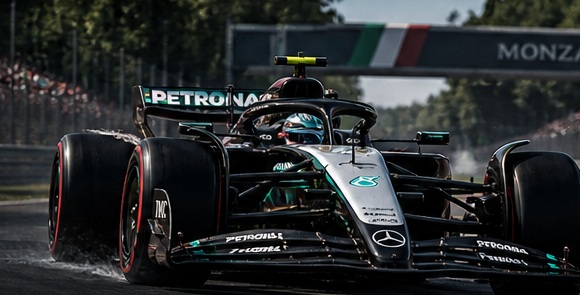
ILLUSTRATIVE N4 RACE MACHINEMercedes-AMG Petronas
TEAM MACHINEMercedes-AMG Petronas
CHASSISW17
BASEBrackley, United Kingdom
POLES146
FASTEST LAPS101
2026 WORLD CHAMPIONSHIP
CONSTRUCTORS
LATEST COMPLETED RACE
PODIUM / RESULT

NEXT GRAND PRIX
STARTING GRID
AWAITING PROVIDER DATA
Grid stays intentionally empty until qualifying data is actually supplied by API-Formula-1.
RACE DATA LAB
Singapore Grand Prix: full classification
| Pos | Driver | Time / gap | Pts |
|---|---|---|---|
| 1 | Max VerstappenRed Bull Racing | 1:42:00.785 | – |
| 2 | Charles LeclercFLScuderia Ferrari | +7.335 | – |
| 3 | Andrea Kimi AntonelliMercedes-AMG Petronas | +24.573 | – |
| 4 |  Lando NorrisMcLaren Racing | +40.506 | – |
| 5 |  Oscar PiastriMcLaren Racing | +49.644 | – |
| 6 |  Lewis HamiltonScuderia Ferrari | +53.188 | – |
| 7 |  Liam LawsonRacing Bulls | +81.666 | – |
| 8 |  Nico HulkenbergAudi Revolut F1 Team | +83.386 | – |
| 9 |  George RussellMercedes-AMG Petronas | +84.677 | – |
| 10 |  Isack HadjarRed Bull Racing | +90.862 | – |
| 11 |  Pierre GaslyAlpine F1 Team | +1 lap | – |
| 12 |  Oliver BearmanHaas F1 Team | +1 lap | – |
| 13 |  Esteban OconHaas F1 Team | +1 lap | – |
| 14 |  Carlos Sainz JrWilliams F1 Team | +1 lap | – |
| 15 |  Arvid LindbladRacing Bulls | +1 lap | – |
| 16 |  Fernando AlonsoAston Martin F1 Team | +1 lap | – |
| 17 |  Sergio PerezCadillac Formula 1 Team | +2 lap | – |
| 18 |  Alexander AlbonWilliams F1 Team | DNF | – |
| 19 |  Valtteri BottasCadillac Formula 1 Team | +3 lap | – |
| 20 |  Lance StrollAston Martin F1 Team | DNF | – |
| 21 |  Franco ColapintoAlpine F1 Team | DNF | – |
| 22 |  Gabriel BortoletoAudi Revolut F1 Team | DNF | – |
Fastest laps
- 1Charles LeclercScuderia Ferrari · lap 41 · 186.311 km/h1:35.202
- 2Andrea Kimi AntonelliMercedes-AMG Petronas · lap 43 · 185.556 km/h1:35.589+0.387
- 3Oscar PiastriMcLaren Racing · lap 44 · 185.409 km/h1:35.665+0.463
- 4Isack HadjarRed Bull Racing · lap 42 · 184.922 km/h1:35.917+0.715
- 5Max VerstappenRed Bull Racing · lap 44 · 184.376 km/h1:36.201+0.999
Fastest pit stops
- 1Lance StrollAston Martin F1 Team · 1 stop (lap 26)23.601best stop
- 2George RussellMercedes-AMG Petronas · 1 stop (lap 39)23.648best stop
- 3Max VerstappenRed Bull Racing · 1 stop (lap 32)23.698best stop
- 4Lando NorrisMcLaren Racing · 1 stop (lap 32)23.922best stop
- 5Lewis HamiltonScuderia Ferrari · 1 stop (lap 18)24.048best stop
Title fight
Championship points after every round.- Andrea Kimi Antonelli
- George Russell
- Lewis Hamilton
- Max Verstappen
- Charles Leclerc
- Lando Norris
- Oscar Piastri
- Isack Hadjar
Some rounds had no points in the feed, so those points are calculated from finishing positions under the standard scoring table.
Meet the grid
Career stats, season results and history for every driver and team.Andrea Kimi AntonelliGeorge RussellLewis HamiltonMax VerstappenCharles LeclercLando NorrisOscar PiastriIsack HadjarLiam LawsonPierre GaslyArvid LindbladFranco ColapintoOliver BearmanNico HulkenbergGabriel BortoletoEsteban OconFernando AlonsoCarlos Sainz JrAlexander AlbonYuki TsunodaLance StrollValtteri BottasSergio Perez
CIRCUIT EXPLORER · 2026
Every track on the calendar
19/24
NEXTROUND 19 · 25 OCT 2026
Circuit of the Americas
USA Grand Prix · Austin, United States
TRACK LENGTH5.514 km
RACE LAPS56
RACE DISTANCE308.8 km
FIRST GRAND PRIX2012
CIRCUIT OPENED2012
ALTITUDE130 m
LAP RECORD—
Weekend
- 1st PracticeFri 23 Oct · 18:30
- 2nd PracticeFri 23 Oct · 22:00
- 3rd PracticeSat 24 Oct · 18:30
- 1st QualifyingSat 24 Oct · 22:00
- 2nd QualifyingSat 24 Oct · 22:22
- 3rd QualifyingSat 24 Oct · 22:42
- RaceSun 25 Oct · 20:00
Recent winners here
- 2025Max VerstappenRed Bull Racing
- 2024Charles LeclercScuderia Ferrari
- 2023Max VerstappenRed Bull Racing
- 2022Max VerstappenRed Bull Racing
- 2021Max VerstappenRed Bull Racing
- 2019Valtteri BottasMercedes-AMG Petronas
CIRCUIT MAP · AUSTIN
Track outlines are drawn from GPS centre-line data. Laps and race distance are calculated from lap length under the 305 km rule (Monaco 260 km), so they can differ slightly from official figures.
N4 GEAR · F1
OPEN N4 GEAR›Race-weekend gear.
F1 team merchandise, caps and motorsport accessories.
01
SCUDERIA FERRARIFerrari F1 gear
VIEW ON AMAZON.CO.UK(paid link)›Caps, shirts and Scuderia supporter gear.
02
RED BULL RACINGRed Bull Racing gear
VIEW ON AMAZON.CO.UK(paid link)›Team caps, shirts and race-weekend fanwear.
03
MCLARENMcLaren F1 gear
VIEW ON AMAZON.CO.UK(paid link)›Caps, clothing and McLaren fan accessories.
04
MERCEDES-AMGMercedes F1 gear
VIEW ON AMAZON.CO.UK(paid link)›Team clothing, caps and motorsport accessories.
05
RACE WEEKENDF1 team caps
VIEW ON AMAZON.CO.UK(paid link)›Browse team caps and driver-inspired headwear.
06
COLLECTF1 model cars
VIEW ON AMAZON.CO.UK(paid link)›Die-cast cars and motorsport display pieces.
As an Amazon Associate I earn from qualifying purchases.
WHERE TO WATCH
Race viewing options
F1 now uses the same N4 conversion philosophy as football. Viewing offers can be season-wide or Grand-Prix-specific and tracked through N4’s outbound route without pretending an affiliate relationship exists before approval.
Viewing informationVerified broadcaster options will appear here when available.HOW N4 WATCH LINKS WORK ›
About Formula 1 on N4
N4 Sports is a sports data and information site, not a team or a broadcaster, and it is independent of Formula 1. The Formula 1 section brings together race weekends and sessions, results, the drivers' and constructors' championships, driver, team and circuit pages, and live session data. This guide explains how a grand prix weekend works and how to read the tables you see on N4.
How a race weekend works
A Formula 1 season is a series of grands prix, each held over a weekend at a different circuit. A normal weekend starts with practice sessions, where teams test the car, learn the track and try different tyres and fuel loads. Qualifying comes next and decides the starting grid. It runs in knockout stages, with the slowest cars dropping out after the early stages and the fastest driver in the last stage taking pole position.
The grand prix itself is the main event. The distance is set as a number of laps that adds up to a little over 300 kilometres (Monaco is shorter), and there is a maximum time limit. The winner is the first driver across the line when the leader completes the race distance, and everyone else is classified by laps completed and then by order.
Some weekends use the sprint format. These have less practice and add a short, flat-out sprint race, held before the main race, which awards a smaller number of points. A qualifying-style session sets the sprint grid. Which weekends are sprint weekends is set on each year's calendar, and the exact programme has changed over the years, so check the schedule for the detail.
Points, two championships and the teams
There are two championships every season. In the drivers' championship, drivers earn points for finishing near the front in grands prix and sprints, and the driver with the most points at the end is world champion. The constructors' championship adds up the points scored by a team's two drivers, and the team with the most wins. Points go to a set number of top finishers, the winner earns the most, and the scale is steeply weighted to the front. The exact scale has been changed several times, so N4 does not state one here. If drivers are level on points, the tie is broken by who has more wins, then more second places and so on.
A constructor is the team that is entered in the championship, with its own car design and name. Each team runs two cars. The power unit is the engine and the systems attached to it, and it is made by a power unit supplier. Some teams build their own, while others buy theirs from a manufacturer, which means two teams with very different results can share the same supplier. So the car and the engine do not always come from the same company.
Flags, the safety car and the virtual safety car
Flags and light panels tell drivers what is happening on the track. Yellow means danger ahead, with no overtaking in that area, and double yellow means be ready to stop. Red stops the session and sends every car to the pit lane. Blue tells a driver that a faster car is about to lap them and that they must let it past. The table below shows the main flags.
When an accident or debris is more serious than yellow flags can manage, race control can deploy the safety car. It leads the field at reduced speed, no one may overtake, and the cars bunch up behind it, which wipes out the gaps between them. The virtual safety car (VSC) slows every car by electronic limits without sending out a physical car, so the drivers keep their gaps. Both change the race: a pit stop costs less time when the whole field is slow, so teams often react.
Tyres and pit stops
Tyres are one of the biggest strategy tools. Dry tyres come in a range of compounds from softer to harder. A softer tyre grips more and gives faster laps but wears out sooner, while a harder one lasts longer but is slower. There are also intermediate and full wet tyres for damp and rainy conditions. The rules decide how many sets each driver may use, and which compounds must be run, and these details vary by season and by event, so we keep to the principle. In most dry races the rules have required at least two different dry compounds, which forces a pit stop.
A pit stop is a visit to the pit lane for fresh tyres, and sometimes repairs. The crew changes all four wheels in a few seconds, but the whole visit costs much more than the stationary time because the car drives the pit lane at a limited speed. A stint is the run between stops. Teams plan one-stop or multi-stop strategies, and trying to jump ahead by stopping earlier than a rival (an undercut) or later (an overcut) is a classic tactic.
Reading timing screens and N4's session views
A timing screen lists the cars in order, each with a three-letter driver code, a gap to the leader, an interval to the car ahead and a last lap time. Sector times are coloured: purple is the fastest anyone has gone in that sector, green is a driver's own best, and yellow means no improvement. Look at gaps and tyre information together, because a driver who is 20 seconds behind on older tyres may be in a very different position from one who is 20 seconds behind on fresh ones.
N4's live-now page for Formula 1 shows the same ideas as data. It has a session classification with times or gaps, laps, the starting grid position and places gained or lost, points and the finishing status. It also shows the grid, a pace view of fastest laps ranked with the gap to the best, pit stops with each driver's number of stops, the laps they came in and the quickest stop, plus the circuit and the championship table. Each grand prix has its own page with every session of the weekend, including practice, qualifying, any sprint and the race.
N4 is not a live timing screen. The data comes from the data provider, is stored by N4, and can lag the television picture. Where there is no data for a session yet, the page says so rather than guessing.
Flags at a glance
What the main flags mean and what they ask of the drivers.
| Flag | Meaning | What drivers do |
|---|---|---|
| Green | The track is clear. | Racing or the session starts or resumes, after a yellow or at the start of a session. |
| Yellow | Danger on or beside the track. | Slow down, do not overtake in that zone and be ready to change direction. |
| Double yellow | Greater danger, possibly blocking the track. | Slow down a lot and be ready to stop. |
| Red | The session or race is stopped. | Slow down and return to the pit lane. |
| Blue | A faster car is about to lap the driver. | Let the faster car past at the next safe opportunity. |
| Yellow with red stripes | A slippery surface, such as oil or water. | Take care, since grip is reduced. |
| Black and white | A warning for unsporting driving. | Correct the behaviour; further offences can bring a penalty. |
| Black | The driver is disqualified. | Return to the pits and take no further part. |
| Chequered | The session or race is over. | Complete the lap and return to the pits. |
| SC and VSC boards | The safety car or virtual safety car is in use. | Hold position, with no overtaking, and follow the speed rules. |
Marshals and race control use these signals on the circuit and on the drivers' dashboards.
Formula 1 glossary
Short definitions of terms you will see on results pages, timing screens and race reports.
| Term | Meaning |
|---|---|
| Grand prix | A single race event, usually run over a weekend at one circuit. |
| Pole position | First place on the starting grid, earned by the fastest qualifying lap. |
| Grid | The starting order of the cars, mostly decided by qualifying. |
| Constructor | A team entered in the championship, with its own car. |
| Power unit | The engine and its attached systems, supplied by a power unit manufacturer. |
| Chassis | The main structure of the car, which the team designs or builds. |
| Sprint | A short race held on some weekends that awards fewer points than the grand prix. |
| Fastest lap | The quickest single lap of a session by any driver. |
| Pit stop | A visit to the pit lane, normally for fresh tyres. |
| Stint | The run of laps between two pit stops. |
| Undercut | Pitting earlier than a rival so that fresh tyres gain time and move ahead after their stop. |
| Overcut | Staying out longer than a rival, hoping to gain from clear track before stopping. |
| Safety car | A road car that leads the field at reduced speed while a hazard is cleared. |
| Virtual safety car | An electronic slowdown of all cars, without a physical safety car on track. |
| Parc fermé | Rules that limit the changes teams can make to the car after qualifying begins. |
| DNF | Did not finish: the driver retired from the session. |
| DSQ | Disqualified, so the result is removed. |
| Slipstream | The reduced air resistance behind another car, which helps a following car gain speed. |
| Backmarker | A car running at the back of the field that may be lapped by the leaders. |
| Interval | The time gap to the car directly ahead. |
Where to find things on N4
- Formula 1 hubThe next or latest grand prix weekend with a countdown, session control, drivers and teams, a circuit explorer with track maps, and a race data lab.
- Live nowSession classification, starting grid, fastest laps, pit stops, the circuit and the championship table for the session in focus.
- ResultsEvery grand prix of a season with winner, pole and fastest lap, and a season selector to look at earlier years.
- StandingsThe full drivers' and constructors' championships, every driver rather than just the top ten, a points progression chart and past champions.
- NewsFormula 1 headlines from named publishers, beside N4's session and race data.
- Race pagesOpen a grand prix from the Results page for the classification of every session, the starting grid, fastest laps, pit stop times and previous winners at that circuit.
- Driver pagesOpen a driver from the standings for career and season stats, race-by-race results and championship history.
- Team pagesOpen a team from the standings for its drivers, championship history, wins, poles, fastest laps, chassis and base.
- Circuit pagesOpen a circuit from a race page for its length, laps, lap record and the winners of Formula 1 races held there.
Formula 1 questions answered
How does a Formula 1 race weekend work?
A normal weekend has practice sessions, then qualifying to set the starting grid, then the grand prix. Some weekends add a short sprint race that awards fewer points. The calendar shows which weekends use the sprint format.
How do the two championships work?
Drivers earn points for their finishes, and the driver with the most points wins the drivers' championship. The constructors' championship adds together the points scored by both of a team's drivers. Points go to a set number of finishers, with the biggest reward for winning.
What is the difference between a constructor and a power unit supplier?
A constructor is the team that is entered in the championship and builds or designs the car. A power unit supplier makes the engine and its linked systems. Some teams build both, while others buy their power unit from another manufacturer.
What does the safety car do?
It leads the field at reduced speed while the track is made safe, and no overtaking is allowed. The cars bunch up behind it, so any lead is erased. A virtual safety car makes all drivers slow to a set pace without gathering them in a queue.
Why do drivers have to make a pit stop?
Tyres wear out, and in most dry races the rules require at least two different dry compounds, which means at least one stop. Rain can change that, and the exact rules vary by season, so check the regulations for the event you are watching.
What does the qualifying session decide?
It sets the starting order of the grid. The fastest driver starts on pole position, which is usually a real advantage on tracks where overtaking is hard. On sprint weekends a separate qualifying-style session sets the grid for the sprint.
How do I read the classification on N4?
The order is the finishing position, followed by time or gap to the winner, laps completed, grid position and points. A small arrow beside the grid slot shows places gained or lost. The status column shows the driver's finishing status.
Does N4 stream Formula 1?
No. N4 is a data and information site, not a broadcaster, and it is not affiliated with Formula 1 or any team. Data on the pages can lag the television coverage.
Race weekends, sessions, classifications, standings, drivers, teams, fastest laps and pit stops on the Formula 1 pages come from the API-Sports Formula 1 data feed; circuit outlines are derived from the open-source f1-circuits dataset (MIT licence); news items carry the name of the publisher. N4 Sports is a sports data and information site, not a broadcaster, and is not affiliated with any league, club or governing body. This guide explains the sport in general terms and was last reviewed in October 2026; competition rules change, so the official rulebook always has the final say. Where a match or event has an official viewing route in your country, N4 may link to it, and some of those links are affiliate links.